
























GlobalBees is one of the leading e-commerce aggregators in India with a portfolio of 55+ D2C brands. They offer end-to-end support to D2C brands by: Partnering with brands to optimize their sales strategies across multiple channels
Managing brand presence on various marketplaces and their own direct-to-consumer domains
Providing a robust nationwide logistics and inventory management infrastructure
At a critical growth juncture, GlobalBees was expanding its warehouse network from 3 to 25
warehouses, strategically positioned across 40+ cities nationwide.
This ambitious expansion aimed to establish a warehouse in every state, creating an unprecedented
nationwide fulfillment network.

Case Studies
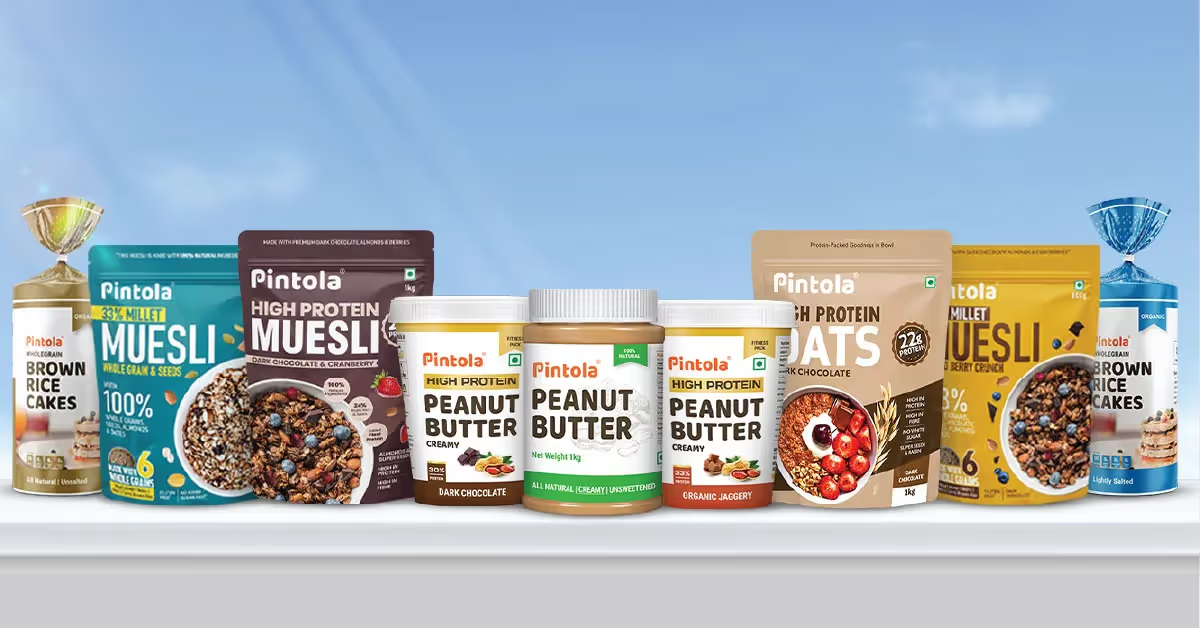
How Pintola Cut Order Processing Time by 79% with Increff's Omnichannel Order Management SolutionPintola, a homegrown superfoods label by Das Foods Pvt. Ltd., faced challenges in optimizing their order fulfillment process, improving delivery times, and enhancing customer service. To overcome these obstacles, this emerging FMCG player turned to Increff’s omnichannel solution, ‘Omni.’ Omni is a cloud-based platform that integrates Warehouse Management (WMS), Store Fulfillment (O2O, Offline to Online), and Order Management (OMS) systems. With the implementation of Omni, Pintola achieved remarkable results, including 79% decrease in order processing time
50% reduction in returns/cancellations
30% increase in warehouse space utilization and more
These impressive outcomes have helped Pintola streamline their operations, enhance their customer experience, and grow their business.

One of the world’s leading sportswear brands was facing operational hassles working on multiple systems deployed to manage e-commerce. This led to poor bin level accuracy causing huge order cancellation. There was also dedicated inventory for each channel leading to poor ROS. Objective: Consolidate multiple systems deployed to manage e-commerce into one comprehensive solution that is easy to manage and fast to integrate, without losing on sales or leading to order cancellations. Solutions: Integrates WMS/ OMS systems deployed
Showcase all its inventory to different sales channels, simultaneously. Deep API integration with SAP to ensure smooth flow of information
A single view of inventory exposed to all marketplaces and B2B sales channels
Quick Ramp-up – Warehouse started in 10 days with more than 100k inventory. Results: 300% jump in the rate of sales resulting in significantly higher revenue
Improved inventory turns by 2-3x 99.9% bin level accuracy
Amazon Prime status for 100% inventory leading to higher revenue on Amazon
Reduced SLA from 3 days to 1-day, same-day SLA for all channels resulting in better customer experience and better conversion. Reduced inventory holding by ~40% from 110 days to 65 days
Managed inventory worth 400K regularly and more efficiently.


Pre-built Connectivity
Connect marketplaces such as Amazon, Noon, Namshi, Flipkart, Myntra, Trendyol, Ajio etc and webshops such as Shopify, Magento and more.

Inventory Exposure Control
Control how much stock is offered for sale by channel, SKU, and warehouse location, with flexible buffer quantities for each combination.

Flexible Listing Management
Link one warehouse SKU to multiple marketplace listings so orders under different listing identifiers are matched to the correct product for fulfillment. Choose which products to sell on each channel and enable or disable their listing mappings by warehouse.

OMS & ERP-Agnostic
Add Increff CMS to your existing technology stack without replacing your current OMS or ERP.
Manage Every Channel Through One Integration Layer
- Launch Faster with Pre-Built Connectors
- Synchronize Inventory and Orders in Near Real Time
- Manage Authentication, Configuration, and Diagnostics Centrally
Advanced Inventory Management

Benefits of Serialization
E-commerce Fulfillment Excellence

Fits right in with your partners
Increff integrates with marketplace channels, ERP systems, POS platforms, logistics providers, and webshop solutions — enabling real-time inventory sync, order processing, and returns tracking across your entire retail tech stack.
Marketplace integrations
Real-time inventory and order processing from major
ecomm channels
ecomm channels





ERP, POS, WebShop
Accurate, live return item tracking




Logistics integrations
Faster deliveries through smarter logistics
decisions
decisions




Others
Fastest store-level sales, inventory and order
data syncing
data syncing



Order Orchestration
Increff Order Orchestration delivers real-time, multichannel order routing, inventory updates in under 10 seconds, and zero channel conflict—all in one connected system.
- Order Management System (OMS)
- Vendor Inventory Management & Fulfillment System (VIMS)
- Increff Channel Management System (CMS)
Order Management System (OMS)

Enable near real-time inventory and order syncing, with complete stock visibility in one unified view across your e-commerce, retail, and wholesale network with Increff OMS.
Vendor Inventory Management & Fulfillment System (VIMS)

Sell without holding inventory by shipping directly from vendors. With Increff’s Vendor Management System, powered by Increff OMS, you can surface vendor and warehouse stock in real time and fulfill marketplace demand faster and more efficiently.
Vendor Inventory Management & Fulfillment System (VIMS)

Bring marketplace and webshop connectivity into one channel management system that sits on top of your current OMS or ERP, with no need to replace either.