
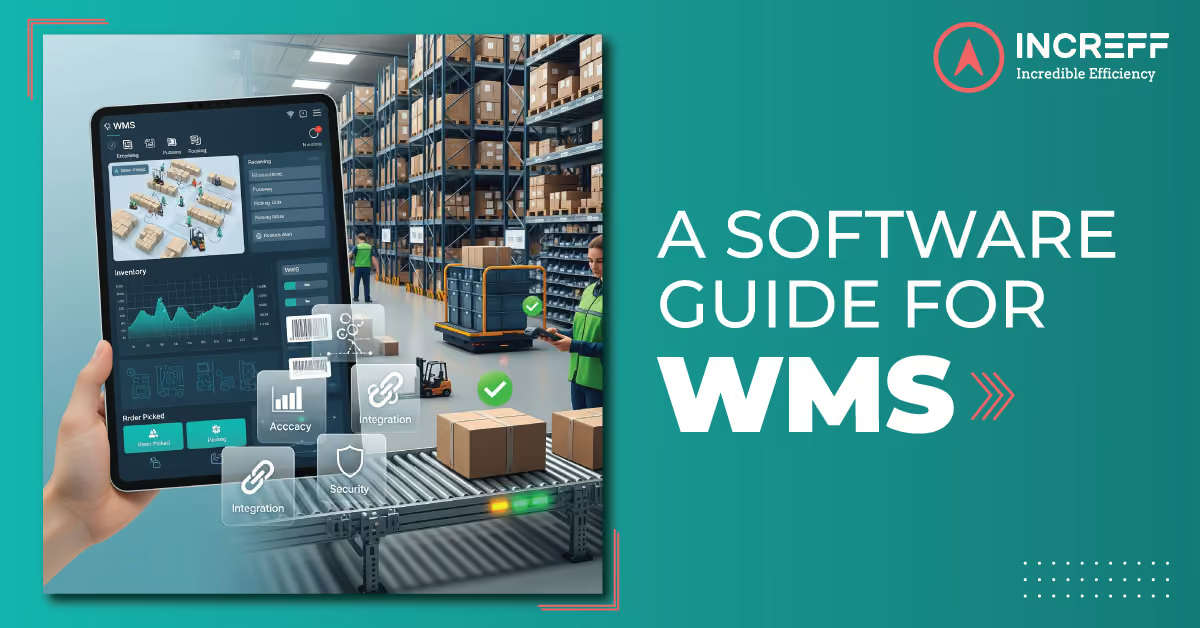





The landscape of warehouse management is evolving at an unprecedented pace, driven by the increasing demands of e-commerce, omnichannel retail, and global supply chain complexities. As businesses strive to meet customer expectations for faster delivery and accurate order fulfillment, the role of wms systems becomes more critical. The market for WMS in India is expanding rapidly, with predictions indicating significant growth due to the rise in digital commerce and advancements in technology.
Get to know more about core Warehouse Management KPIs every retailer should track
Despite the promising market outlook, companies face several challenges in warehouse management, including inventory inaccuracies, inefficient space utilization, and manual errors in order processing. These issues are compounded by the need for seamless integration with various sales channels and the ability to handle high volumes of transactions. In this context, adopting a robust warehouse management system is no longer optional but a strategic necessity for businesses aiming to stay competitive.
The choice of wms systems is a critical strategic decision for businesses. Modern warehouse management system capabilities are often tied to cloud deployments, making a sophisticated wms software accessible to SMEs. Evaluating a strong warehouse management inventory software requires looking beyond basic features.
Statistics reveal that businesses can reduce operational costs by up to 30% and improve order accuracy by 20-30% with the implementation of an efficient warehouse management system. As we delve into this topic, we will explore the various facets of warehouse management systems, understand their importance, and examine the top solutions available in the Indian market for 2026. Readers will gain insights into how warehouse management systems can transform their operations, improve efficiency, and drive growth.
What is a warehouse management system (WMS)?
A warehouse management system (WMS) is a software solution designed to optimize warehouse operations by automating and streamlining processes such as inventory tracking, order fulfillment, and space utilization. WMS solutions offer real-time visibility into inventory levels, allowing businesses to manage stock across multiple locations with ease. These wms systems integrate with various other enterprise systems like ERP and CRM, ensuring a smooth flow of information across the supply chain.
WMS can vary in complexity and functionality, from basic systems that provide essential inventory management features to advanced platforms that offer sophisticated capabilities like predictive analytics, Al-driven automation, and comprehensive reporting tools. The choice of warehouse management inventory software depends on the specific needs of the business, including the size of operations, the volume of transactions, and the level of integration required with other systems.
For instance, Unicommerce WMS, a leading solution in India, provides a comprehensive suite of features that cater to businesses of all sizes. With capabilities like real-time inventory tracking, automated order processing, and advanced analytics, Unicommerce helps businesses enhance efficiency and reduce operational costs.
Why is wms software Important for Modern Businesses?
In today's fast-paced business environment, the importance of wms software cannot be overstated. With the rise of e-commerce and the demand for quicker delivery times, businesses need to efficiently manage their warehouses to remain competitive. A warehouse management system provides the tools necessary to optimize every aspect of warehouse operations, from receiving and storing inventory to picking, packing, and shipping orders.
The implementation of a warehouse management system can lead to significant improvements in operational efficiency. For example, by automating manual tasks and providing real-time data insights, a warehouse management system can help reduce errors and streamline processes, resulting in faster order fulfillment and improved customer satisfaction. Additionally, a warehouse management inventory software enables better space utilization and inventory management, reducing the risk of overstocking or stockouts.
Moreover, a wms systems enhances the ability to integrate with various sales channels, allowing businesses to manage their inventory across multiple platforms seamlessly. This is particularly important for companies involved in omnichannel retail, where coordination across different sales channels is crucial for maintaining a consistent customer experience.
WMS in Action: Success Stories and Real-World Impact
To understand the impact of WMS, consider the case of a leading e-commerce company in India that implemented a cloud warehouse management system. This company experienced significant improvements in order accuracy and delivery speed, leading to a 25% increase in customer satisfaction. The warehouse management system allowed the company to manage inventory across multiple warehouses efficiently, providing real-time visibility into stock levels and enabling faster decision-making.
Another example is a manufacturing firm that faced challenges in tracking raw material consumption and production flow. By adopting a warehouse management inventory software, the company was able to automate batch and lot tracking, ensuring accurate BOM (Bill of Materials) usage and optimizing the warehouse layout. This resulted in a 15% reduction in production downtime and a 20% improvement in overall efficiency.
A Structured Approach: WMS Implementation and Deployment Phases
The implementation of a warehouse management system involves several phases, each critical to ensuring a successful deployment. The first phase typically involves a detailed analysis of the current warehouse operations to identify key areas of improvement. This is followed by the selection of a suitable wms software solution that aligns with the business's operational goals and requirements.
Once a warehouse management system is selected, the next step is the customization and configuration of the warehouse management system to fit the specific needs of the business. This may involve integrating the WMS with existing ERP and CRM systems, setting up user roles and permissions, and defining workflows for various warehouse processes. Training and support are also essential components of this phase, ensuring that staff are equipped to use the system effectively.
Finally, the deployment phase involves testing the system in a controlled environment to ensure it functions as expected before going live. This phase may also include a pilot run to identify any potential issues and make necessary adjustments. Regular monitoring and evaluation post-deployment are crucial to ensure the system continues to meet the evolving needs of the business.
Driving Efficiency: How WMS Software Optimizes Operations
WMS software is designed to improve operational efficiency by automating various warehouse processes. One of the key areas where wms software makes a significant impact is inventory management. By providing real-time visibility into inventory levels, WMS helps businesses maintain optimal stock levels, reducing the risk of overstocking or stockouts. This not only improves cash flow but also enhances customer satisfaction by ensuring products are always available when needed. Implementing quality wms software is vital. Companies depend on reliable wms software. Good wms software reduces errors.
Additionally, wms software streamlines order fulfillment by automating tasks such as picking, packing, and shipping. For example, advanced WMS solutions use Al-driven algorithms to optimize picking paths, reducing the time and effort required to fulfill orders. This leads to faster order processing and increased throughput, enabling businesses to handle higher volumes of transactions with ease.
Moreover, wms software enhances space utilization within the warehouse by providing tools for effective layout planning and slotting. This ensures that products are stored in the most efficient manner, maximizing the use of available space and reducing unnecessary movement within the warehouse. The result is a more organized and efficient warehouse operation, with lower operational costs and improved productivity.
Strategic Advantages: Unpacking the ROI and Benefits of WMS
The benefits of implementing a warehouse management inventory software are manifold, with financial, operational, and strategic advantages that can significantly enhance a business's competitive position. One of the most compelling benefits is the potential for a high return on investment (ROI). By improving inventory accuracy and reducing manual errors, businesses can save significantly on labor costs and reduce the need for costly inventory audits. The implementation of wms systems provides significant returns. Furthermore, comprehensive warehouse management inventory software ensures compliance.
Operational efficiency is another major benefit of a warehouse management system. By automating routine tasks and providing real-time data insights, a warehouse management system enables faster decision-making and improved coordination across different warehouse activities. This leads to reduced order processing times, lower operational costs, and increased customer satisfaction. For example, a study found that businesses using a WMS experienced a 30% reduction in order cycle times and a 20% improvement in order accuracy.
In terms of competitive advantages, a wms systems provides businesses with the ability to scale operations and adapt to changing market demands. With features like multi-location inventory management and seamless integration with sales channels, businesses can expand their operations without compromising on efficiency. This flexibility is crucial in today's dynamic business environment, where the ability to respond quickly to market changes is a key determinant of success.
Long-term strategic value is another important consideration. A warehouse management inventory software provides businesses with the tools needed to optimize their supply chain operations, leading to improved customer service and increased market share. By enhancing inventory accuracy and reducing lead times, businesses can build stronger relationships with customers and suppliers, driving long-term growth and profitability.
The Blueprint: A Step-by-Step WMS Implementation Guide
Implementing a warehouse management system requires careful planning and execution to ensure a successful deployment. The first step in the implementation process is to conduct a thorough needs assessment to determine the specific requirements of the business. This involves analyzing current warehouse operations, identifying pain points, and setting clear objectives for the warehouse management inventory software implementation.
Once the needs assessment is complete, the next step is to select a wms software solution that aligns with the business's operational goals. This involves evaluating different wms software vendors, comparing their features and capabilities, and selecting the one that best meets the business's needs. Key considerations in the selection process include the scalability of the solution, ease of integration with existing systems, and the level of support provided by the vendor.
The implementation phase involves configuring the warehouse management system to fit the specific requirements of the business. This may involve customizing workflows, setting up user roles and permissions, and integrating the WMS with other enterprise systems. Training and support are also critical components of this phase, ensuring that staff are equipped to use the system effectively and efficiently.
Once the warehouse management inventory software is configured and tested, the deployment phase involves rolling out the warehouse management inventory software system across the warehouse operation. This may include a pilot run to identify any potential issues and make necessary adjustments. Regular monitoring and evaluation post-deployment are crucial to ensure the system continues to meet the evolving needs of the business and delivers the desired benefits. This ensures the selected wms systems meets all long-term operational needs. The right warehouse management inventory software defines supply chain excellence.
Industry Applications: WMS Use Cases Across Retail, Manufacturing, and 3PL
Adopting robust wms systems is essential across various verticals. Every industry benefits from advanced warehouse management inventory software. wms systems are versatile tools that can be adapted to a wide range of industries and applications. In the retail sector, for example, a wms systems can help manage inventory across multiple stores and online channels, ensuring that products are available when and where customers need them. This leads to improved customer satisfaction and increased sales.
In the manufacturing sector, a wms systems can optimize production flow by ensuring that raw materials and components are available when needed, reducing downtime and improving efficiency. By providing real-time visibility into inventory levels, a wms systems can help manufacturers manage production schedules more effectively, leading to faster turnaround times and lower production costs.
Third-party logistics (3PL) providers also benefit significantly from wms systems. By automating processes such as order picking, packing, and shipping, a WMS enables 3PL providers to handle high volumes of transactions with greater accuracy and efficiency. This leads to improved service levels and increased customer satisfaction, helping 3PL providers build stronger relationships with their clients.
Maximizing Value: Best Practices for WMS Usage and Governance
To maximize the benefits of a warehouse management system, businesses should follow best practices in the implementation and use of the system. One key best practice is to ensure thorough planning and preparation before implementation. This involves conducting a detailed needs assessment, setting clear objectives, and developing a comprehensive implementation plan that includes timelines, milestones, and resource requirements.
Another best practice is to involve all relevant stakeholders in the implementation process, including warehouse staff, IT personnel, and management. By involving all stakeholders, businesses can ensure that the wms software is configured to meet the specific needs of the operation and that staff are equipped to use the system effectively.
Regular monitoring and evaluation of the warehouse management inventory software are also important to ensure that the system continues to meet the evolving needs of the business. This involves tracking key performance metrics, identifying areas for improvement, and making necessary adjustments to optimize performance. Continuous training and support are also essential to ensure that staff remain proficient in using the system and can adapt to any changes in the operation.
Conclusion
In conclusion, a warehouse management system (WMS) is a critical tool for modern businesses looking to optimize their warehouse operations and stay competitive in today's dynamic market environment. By automating processes, providing real-time data insights, and enhancing operational efficiency, a warehouse management system can deliver significant financial, operational, and strategic benefits.
As the demand for faster delivery and accurate order fulfillment continues to grow, businesses must invest in a robust wms systems to meet customer expectations and drive growth. By following best practices in implementation and use, businesses can maximize the benefits of a warehouse management inventory software and achieve long-term success.
For businesses in India exploring wms systems solutions for 2026, the options are diverse and promising. Whether it's enhancing inventory accuracy, improving order fulfillment, or scaling operations, a well-implemented warehouse management system can be a game-changer. The continuous evolution of wms systems ensures businesses remain agile. This comprehensive warehouse management inventory software analysis serves as a guide.